Mediterranean interior beyond cliché: kitchen, garden, materials, and rhythm of life
Beyond Colors
Mediterranean style is often described through colors: white, blue, terracotta, olive green. But a truly Mediterranean interior starts deeper: from the way the home embraces light, shadow, air, and people.

The Kitchen as a Center
A Mediterranean-style kitchen rarely looks like a sterile laboratory. It has open shelves, ceramic dishes, wood, stone, olive oil, cups, bowls, and a table around which life naturally unfolds.
Here, materials are not just surfaces, but participants in the ritual of cooking and sharing.
Space with Transitions
Mediterranean-style houses often work with transitions. Between the kitchen and the terrace, between the living room and the garden, between shadow and sun.
The Mediterranean house doesn't keep the interior closed. It allows plants, light, and the smell of food to pass through the space.

Furniture with Function
Mediterranean-style furniture doesn't have to be heavy or theatrical. Natural materials, low tables, wooden surfaces, ceramic details, and shapes that don't look overly polished are sufficient.
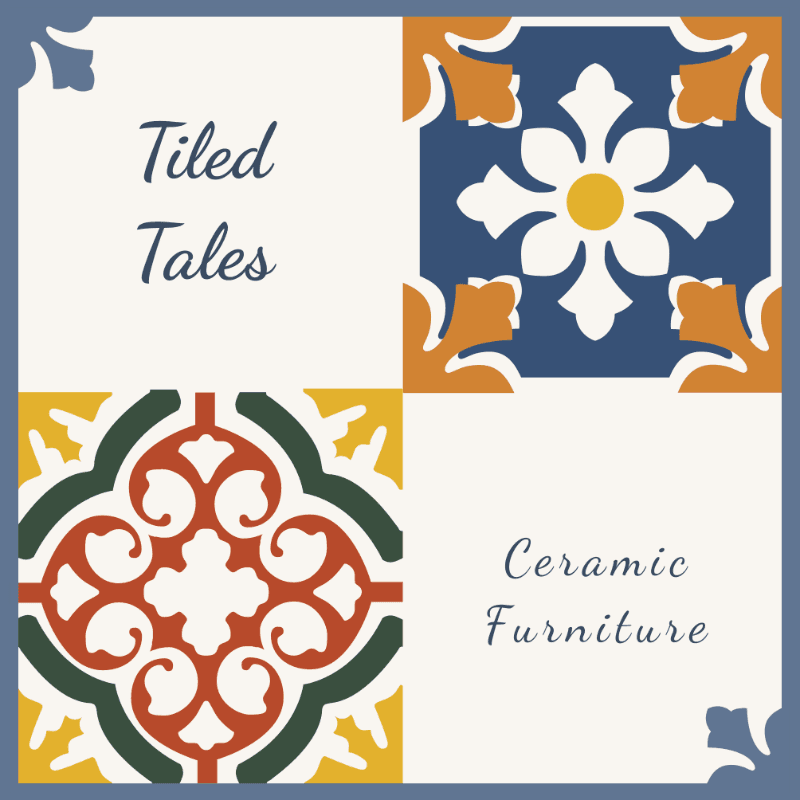
A table like the Andalusia Table, for example, brings geometry and color, but remains an object for living, not a stage set.
The Garden as an Extension
The Mediterranean garden is an extension of the interior. Terracotta pots, planters, olives, lemons, herbs, and the shade of a pergola can make the outdoor space as important as the living room.
Even in an apartment, this principle can be translated through a balcony with plants, ceramic pots, and a small coffee table.

The Logic of Style
Mediterranean interior design is not achieved by imitating a vacation home. It comes from a logic: fewer objects, more materiality; less shine, more light; less formality, more table, around which there is time.
When ceramics, wood, linen, stone, and plants calmly meet, the home begins to look not decorated, but lived in.